How Do I know If My Parent Needs A Care Home?

Have you started to ask yourself whether your parent needs care? Perhaps you have noticed subtle changes in their day-to-day life but are unsure what they mean or what you should do next. Knowing when to seek additional support can be difficult, particularly when your parent is still managing some things independently.
There is no single sign that means someone needs to move into a care home. However, changes in daily tasks, mobility, safety, memory or social wellbeing can indicate that it may be time to look at the support available.
This guide looks at some of the common questions families have, the situations to be mindful of and the care options that may be available. If you are feeling overwhelmed, taking things one step at a time can make the process easier.
Are They Struggling With Everyday Tasks?
Perhaps you have noticed your parent having difficulty with everyday tasks or a change in the way they approach them. Personal hygiene can be one example. Are they washing and dressing as they normally would? Have they started needing reminders or assistance with things they previously managed themselves?
Medication management is another area to consider. Are they remembering to take their medication at the correct times? Are prescriptions being ordered on time? Have you noticed medication being missed or taken incorrectly?
Mobility can also provide an important indication that someone's needs are changing. Consider whether your parent can still move around their home comfortably and safely. Are they able to go out for a food shop independently, or has this started to become difficult? Do they need someone with them when previously they would have gone alone?
Struggling with some daily tasks does not automatically mean someone needs a care home. People can have different levels of need and there are several care options that may help someone remain at home. However, these changes are worth noticing and keeping an eye on, particularly if they are becoming more frequent.

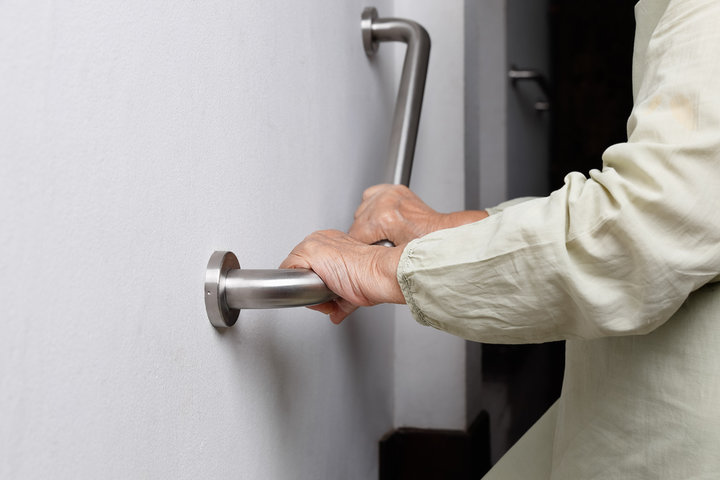
Are There Concerns About Their Safety?
Safety is another important consideration when thinking about whether your parent may need additional support. You might find yourself asking: Could my parent manage safely if they were alone? For example, have they started forgetting to lock their doors when they go to bed or leave the house? When they go out, are they getting lost or struggling to remember where they are?
Falls are another concern, has your parent fallen more frequently, either at home or while they are out? Are they finding stairs, getting in and out of chairs or walking outside more difficult than they used to?
These changes do not necessarily mean residential care is the only option. However, they can be useful signs that your parent's current arrangements may need to be reviewed.
If you have immediate concerns about your parent's safety or health, it is important to seek appropriate professional advice rather than trying to make a decision about care on your own.
Have Their Social Needs Changed?
Care is not only about physical support, as your parent's emotional and social wellbeing is also important. Perhaps they are spending more time alone or have stopped taking part in hobbies they once enjoyed. Maybe they are finding it harder to get out and see friends or family.
Consider whether your parent has opportunities to maintain relationships, interests and familiar routines. For some people, residential care can provide opportunities for companionship and social activities alongside their care and support. However, the right option will depend on the individual and what matters to them.


When Might A Care Home Be The Right Choice?
A care home may be worth considering when someone's needs have increased to a point where managing safely and comfortably at home has become difficult. This could include needing regular support throughout the day, requiring help with personal care or mobility, experiencing increasing memory problems or needing support that family members cannot reasonably provide.
It is also important to consider the needs of the family. Relatives may be providing more and more support and finding that this is becoming difficult to maintain alongside work, family life and other responsibilities. This does not mean that anyone is abandoning them and you should not feel guilty. As sometimes a person's needs simply change over time, and a different type or level of support becomes more appropriate.
A care home is also not necessarily the first step or indeed the only step. Depending on your parent's circumstances, options could include care at home, community support, respite care or adaptations to their existing home.


How Can You Talk To Your Parent About Care?
For many families, starting the conversation can be one of the hardest parts regardless or how close you are to your loved ones. It is completely natural to worry that mentioning care might upset your parent or make them feel that they are losing their independence.
Try to choose a calm time to talk rather than raising the subject during an argument or immediately after something has gone wrong. Explain what you have noticed and give your parent an opportunity to share how they feel. It's so important to remeber that listening is just as important as talking (on both sides).
Your parent may have concerns about moving away from home, losing their independence, being separated from friends or simply not knowing what life in a care home would be like. Try to involve them in the conversation rather than making decisions on their behalf. Ask what matters most to them and what they would want their future care to look like.
The conversation should be a two-way process. Giving your parent the opportunity to be heard and involved can help make decisions feel less restrictive and more personal.
What Is A Care Needs Assessment?
If what you have read so far resonates with you, asking your local council for a care needs assessment can be a useful place to start. A care needs assessment looks at the support someone may need with everyday life and considers how those needs affect their wellbeing and independence. The assessment can help identify what support may be appropriate and what they could benefit from.
The process is different depending on where you live in the UK, so it is important to contact the relevant local authority or health and social care service in your area for guidance. For the area of Etive House Argyll & Bute Council will be the relavant local authority.
A care needs assessment does not mean that your parent has to move into a care home. It can simply help you understand their needs and the support options that may be available.
Frequently Asked Questions
Does needing help at home mean my parent needs a care home?
Not necessarily. Someone may benefit from additional support at home, community services, respite care or other forms of assistance. The appropriate option depends on their individual circumstances and care needs.
When should I start looking at care homes?
There is no universal point at which someone should begin looking. But if you have noticed increasing difficulties with daily tasks, safety, mobility or memory, it can be helpful to start researching your options before a crisis occurs. This gives your family time to understand what is available.
Can my parent be involved in choosing their care home?
Wherever possible, your parent should be involved in decisions about their care. Visiting homes together and discussing what matters to them can help you understand which environment may be suitable.
What should I do if I am unsure what level of care my parent needs?
A care needs assessment can be a useful starting point. You can also speak with appropriate health or social care professionals who can help you understand your parent's needs and the support available.
Does moving into a care home mean losing independence?
Not necessarily, as a good care should support a person's independence where possible and involve them in decisions about their everyday life. This can include maintaining familiar routines, relationships, hobbies and personal choices.
Taking The Next Step
Realising that your parent may need additional support can feel daunting. You do not need to have every answer straight away.
Start by noticing the changes you have seen, talking openly with your parent and seeking an assessment or professional advice where appropriate. From there, you can explore the different options and consider what would best support your parent's safety, dignity, independence and quality of life.
If you would like to learn more about care at Etive House Care Home in Oban, our team would be happy to speak with you and answer any questions you may have.